
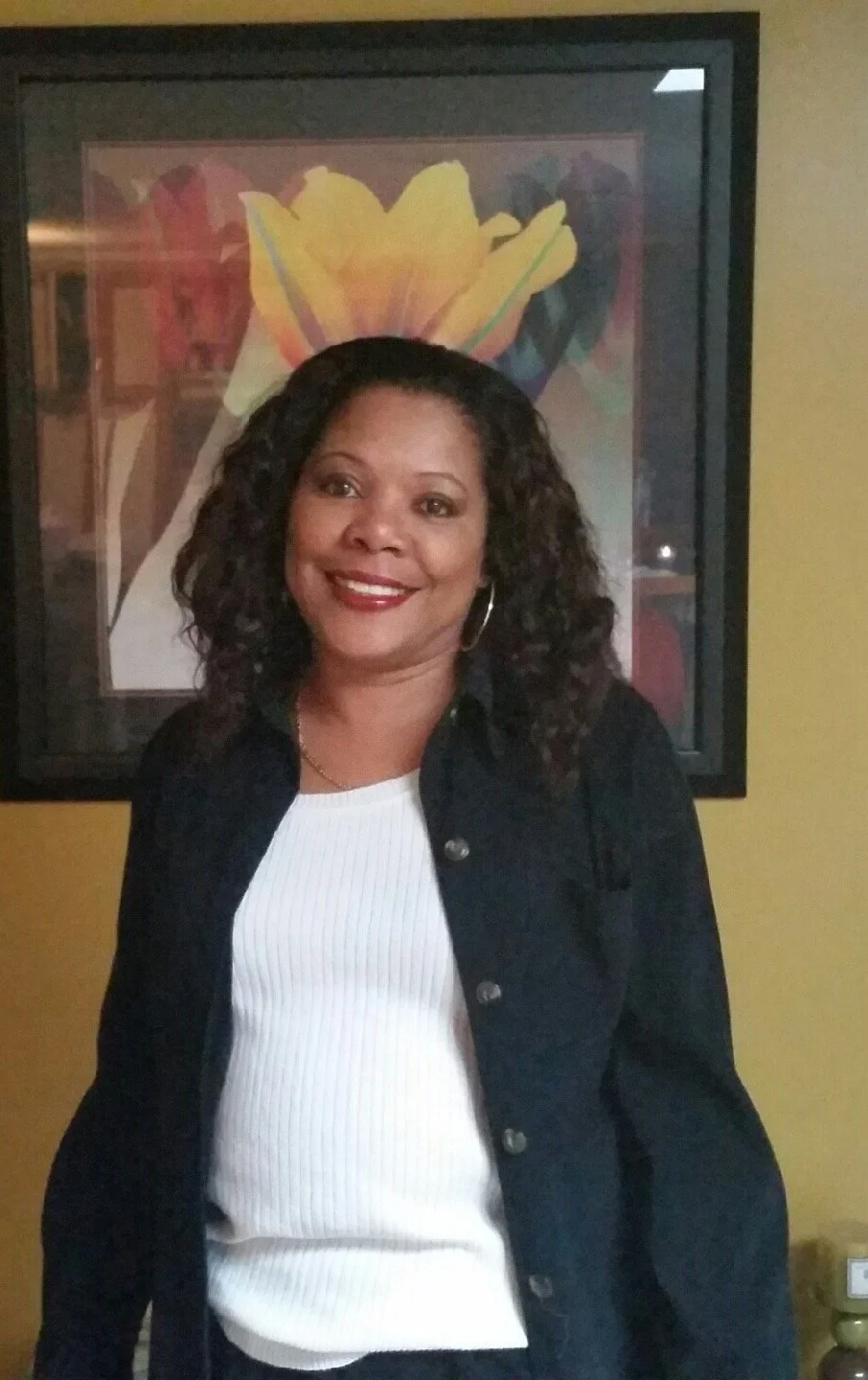
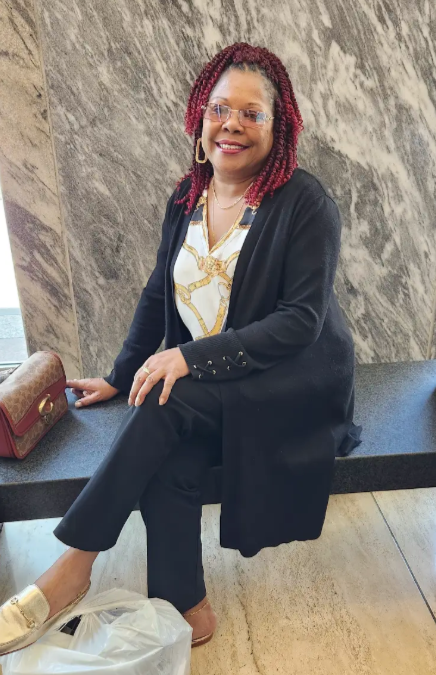
DORIS O’NEAL
YWCA Seattle | King | Snohomish
Doris is the director who oversees Gender-Based Violence Specialized Services (GBVSS) with a team of 14 advocates.
As a woman community leader, how do you cultivate and maintain mentorship relationships with younger or emerging women leaders? What lessons or approaches are you passing on to ensure that leadership, empowerment, and inclusivity endure beyond your own tenure?
As a long-standing community leader,
being led by great mentors has taught me to use my voice unapologetically, stand firm in the pursuit of justice, and create spaces where our younger generation can be heard and not silenced, and where they can claim their narratives.
Through my mentorship, I have been intentional about passing a well-lit torch on and fostering that same sense of courage and self-worth, helping emerging leaders recognize their power to create change.
If you had to choose a single word that captures your current approach to leadership, what would it be and why?
Adaptability defines my leadership approach because I embrace change, remain open to new ideas, and adjust to evolving challenges with resilience and creativity. This past year, a turning point that solidified this mindset was navigating the shifting landscape of gender-based violence advocacy and survivor support.
A particular moment that stands out was when a critical funding stream for the Survivor First Program was unexpectedly reduced. Rather than seeing this as a setback, I pivoted quickly, collaborating with community partners, identifying alternative resources, and rethinking how we deliver services to ensure that survivors remain supported and prioritized. This experience reinforced my belief that true leadership is not about resisting change, but about embracing it with vision and adaptability.
How have you and your team continued (or adapted) your efforts to give back to the community over the past year?
Over the past year, my team and I have continued to adapt and expand our efforts to give back to the community by prioritizing culturally responsive and survivor-centered advocacy. One initiative I’m especially proud of is our emergency mental wellness.
The impact was immediate. Pathways for more than 50 survivors were provided emergency mental wellness support and wraparound services, including legal advocacy. This initiative reinforced our commitment to adaptability, collaboration, and advocacy-driven leadership.
This experience shaped my leadership by reaffirming that true service requires flexibility, innovation, and a relentless pursuit of justice for those most marginalized. It strengthened our ability to lead with both strategy and compassion, ensuring our work remains deeply rooted in the needs of the community.
Reflecting on the last year, what new quote, book, or piece of advice has most influenced you as a woman leader? Why did it resonate with you, and how have you applied it in your community work?
“When I dare to be powerful—to use my strength in the service of my vision—then it becomes less and less important whether I am afraid.” – Audre Lorde
This quote has profoundly influenced me over the past year and resonates deeply because, as a Black woman leader and advocate, I often navigate spaces where my voice, presence, and leadership are challenged. It reminds me that fear is not the enemy; silence is. The work I do, particularly in gender-based violence advocacy, racial justice, and community empowerment, requires boldness, resilience, and an unwavering commitment to creating change, even when the path forward is uncertain.
In celebration of Women’s History Month, which woman (past or present) continues to inspire your work as a community leader, and why?
Maya Angelou continues to inspire my work as a community leader because of her unwavering resilience, profound wisdom, and commitment to justice and empowerment. Her words bold, fearless, and unapologetically truthful have served as a guiding force in my advocacy for survivors of gender-based violence, racial equity, and community healing.
One of her quotes that deeply resonates with me is: "I’ve learned that people will forget what you said, people will forget what you did, but people will never forget how you made them feel."
This sentiment influences the way I collaborate, advocate, and mentor others. Like Angelou, I strive to lead with compassion, authenticity, and a deep sense of purpose ensuring that those I serve feel seen, valued, and empowered. Her example reminds me that advocacy isn’t just about policies or programs; it’s about human connection, dignity, and lifting others up even in the face of adversity.
What challenges and opportunities do you foresee for women leaders in your field or community over the next year, and how are you preparing to meet them? If you had to give one piece of advice to a woman stepping into a leadership role today, what would it be?
Never let discomfort or resistance push you out of spaces where your voice is needed. Your presence is power. Do not shrink yourself to fit into systems that weren’t designed for you; transform them. Stay grounded in your values, your purpose, and the community you serve, and never let anyone make you feel as though you don’t belong. Because you do.