
We’ve been getting questions about the movie, Sound of Freedom, and imagine you may have seen it too. The movie follows the journey of a former Homeland Security agent who initiates sting operations in foreign countries to find and recover children from sex trafficking. Here are some takeaways we’d like to share after watching the film:
1. Increased awareness of sex trafficking is good and should always center the voices and experiences of survivors.
The more people that know about the issue of sex trafficking, the more likely we are to build momentum toward real change. That’s why we think it’s important to learn from those who have experienced trafficking firsthand and can speak to the most promising practices in the effort to end sex trafficking. Here are a few organizations and accounts we recommend you follow to keep learning about this issue:
2. The film is a great conversation starter, let’s not stop there.
There is much more to understand about the realities of sex trafficking (and how to safely intervene) than was shared through the film. We can help fill in the information gaps at our virtual REST Training Day, open to all community members who want to learn more about this issue and find a way to engage. This training is offered quarterly.
3. Trafficking of children (and adults) happens worldwide, including here in the United States.
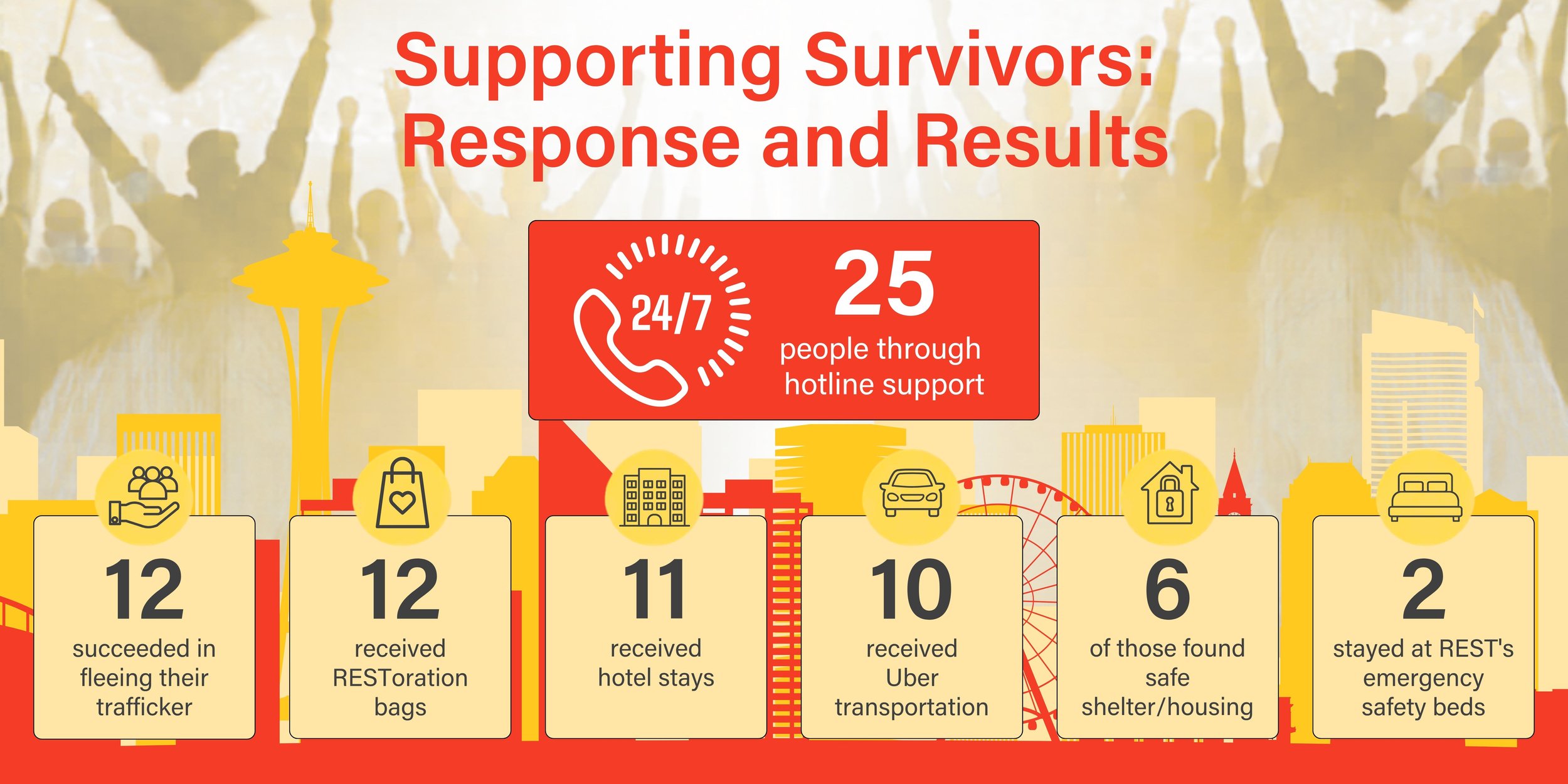
An estimated 500-700 youth and likely even more adults are trafficked in the sex trade in King County, WA. Over 600 individuals engage with REST for services each year. The majority are from the area, and many were trafficked for the first time by a parent or family member. By offering financial support or getting involved with REST or other local organizations that combat human trafficking, you can make a meaningful difference!
4. Efforts to address sex trafficking should never put victims in harm’s way and should always ensure adequate long-term safety and recovery support is in place.
While undercover stings can be portrayed as effective, the work to identify victims of trafficking, help them get to safety, and ensure they have access to the long-term resources and support they need requires significant time and resources. Even when reunited with family, or finally in a safe place to sleep at night, the journey of recovery is filled with peaks and valleys, and getting away from a trafficker is just one step in that long journey. It’s critical to ensure holistic supports are set up for the long haul.
By partnering with REST, you are contributing to the holistic support that enables victims and survivors of sex trafficking to find safety and find their pathways to freedom, safety, and hope, no matter how long it takes.

